



Rideshare accidents happen fast. One moment you’re heading to the Superdome for a Saints game or catching a ride home from Frenchmen Street, and the next you’re dealing with injuries, insurance claims, and questions about what comes next. If you’ve been involved in a Lyft accident in New Orleans, knowing the right steps to take can make a significant difference in your recovery and your ability to seek compensation under Louisiana law.
This guide walks through exactly what to do after a Lyft crash in the New Orleans area, how insurance coverage works, and when to contact Cueria Law Injury Lawyers for help with your case.
Key Takeaways
-
Call 911 immediately after any Lyft accident in New Orleans to get an NOPD crash report, then seek same-day medical care at a facility like University Medical Center (2001 Tulane Ave) or Tulane Medical Center, even if injuries seem minor. Cueria Law Injury Lawyers can help preserve this critical evidence.
-
Screenshot your Lyft app showing driver details, route, and timestamps before the information disappears, and photograph vehicle damage, street signs, and visible injuries at the scene.
-
Lyft insurance coverage in Louisiana depends on whether the driver was logged out (Period 0), logged in awaiting a ride request (Period 1), or en route to pick up or transporting a passenger (Periods 2/3), with coverage ranging from the driver’s personal policy to $1 million in third party liability coverage.
-
Louisiana has a one-year prescription (statute of limitations) for personal injury claims, one of the shortest in the country, making fast action essential to protect your legal options.
-
Injured riders, drivers, pedestrians, and cyclists can call Cueria Law Injury Lawyers for a free case review specific to New Orleans Lyft accidents. We handle rideshare accident claims throughout Orleans Parish and surrounding areas.


Lyft in New Orleans: How Rideshare Works Here
Lyft has become deeply integrated into New Orleans transportation, particularly in high-traffic areas like the French Quarter, CBD, Garden District, and Uptown. The rideshare app connects millions of visitors and locals with drivers navigating the city’s unique infrastructure of narrow streets, streetcar tracks, and congested corridors.
-
Typical Lyft uses in New Orleans: Nights on Bourbon Street, Mardi Gras parades drawing over 1.4 million visitors annually, Jazz Fest weekends attracting 475,000 attendees, Saints games at Caesars Superdome, Pelicans games at Smoothie King Center, and cruise departures from the Julia Street Terminal.
-
Airport rideshare pickup at MSY: Louis Armstrong New Orleans International Airport has a designated rideshare pickup area on the bottom level of the parking deck, directly across from baggage claim in the ground transportation area. Orleans Parish enforces a minimum $12 fare for prearranged rides from MSY.
-
Surge pricing and peak demand: Pricing can exceed 3x normal rates during post-event rushes, holiday travel, and festival weekends, which can contribute to rushed driving and heightened accident risks.
-
Increased collision risk: The popularity of rideshare services in New Orleans means more vehicles navigating narrow French Quarter alleys, crossing St. Charles Avenue streetcar tracks, and handling congested routes like the Crescent City Connection bridge and I-10, which handles over 150,000 vehicles daily.
Immediate Steps to Take After a Lyft Accident in New Orleans
These steps apply whether you were a Lyft passenger, another driver, cyclist, or pedestrian anywhere in the New Orleans metro area. Taking the right actions at the scene can significantly strengthen your personal injury case.
-
Call 911 immediately: Request NOPD and EMS response. In the City of New Orleans, a police crash report is critical evidence for any Lyft injury claim. Louisiana law (La. R.S. 32:398) mandates police reports for crashes involving injury, death, or property damage over $500.
-
Move to a safe location if possible: If you can do so without further hazard, relocate away from traffic, especially on high-risk corridors like I-10, Airline Drive near the airport, or North Claiborne Avenue where rear-ends and sideswipes frequently occur.
-
Get medical evaluation the same day: Visit a hospital like University Medical Center New Orleans (2001 Tulane Ave, Level 1 trauma center), Tulane Medical Center (1415 Tulane Ave), or East Jefferson General Hospital (4200 Houma Blvd in Metairie). Delayed symptoms like whiplash or concussions appear in 30-50% of crash victims.
-
Photograph everything: Use your phone to capture vehicle positions, damage (dents, fluid leaks), street signs (Canal St, St. Charles Ave), visible injuries, weather conditions, and traffic signals. Timestamped photos become essential evidence.
-
Screenshot the Lyft app: Capture the trip screen showing the Lyft driver name, photo, license plate, GPS route, timestamps, fare estimate, and any in-app messages. Lyft retains data for up to 7 years but may not provide it without a formal request.
-
Collect contact information: Get names, phone numbers, and insurance details from the rideshare driver, any other driver involved, and independent witnesses. Tourists visiting New Orleans may leave quickly, so act fast. Witness statements can be crucial for determining liability.
-
Avoid discussing fault: Do not talk about who caused the crash at the scene, in the Lyft app chat, or in recorded statements to insurers. Anything you say can be used in comparative fault defenses.
-
Contact Cueria Law Injury Lawyers: Reach out as soon as possible so our New Orleans team can preserve digital evidence from the rideshare app, secure the NOPD report, and begin building your rideshare accident claims.

Louisiana Lyft Insurance Basics: Who Pays After a Crash?
Understanding how Lyft’s insurance policy works under Louisiana law is essential because coverage varies dramatically depending on what the rideshare driver was doing at the time of the crash.
-
Louisiana is a fault-based state: Under La. R.S. 32:861 et seq., liability depends on who caused the accident. The at fault driver (or multiple parties) may be held liable for damages.
-
Period 0 (driver logged out): Only the driver’s personal Louisiana auto insurance policy applies. Louisiana requires minimum coverage of 15/30/25 (per person/per accident bodily injury/property damage). For example, if a Lyft driver causes a fender-bender in the Garden District while off-duty, their personal policy handles the claim.
-
Period 1 (app on, no ride request accepted): Lyft’s contingent third party liability insurance activates, providing up to $50,000 per person / $100,000 per accident bodily injury and $25,000 property damage. This coverage may only kick in if the driver’s personal insurance is inadequate or denied.
-
Periods 2 and 3 (en route to pickup or transporting passenger): Full Lyft commercial coverage applies with up to $1,000,000 in third party liability coverage, plus uninsured motorist and underinsured motorist coverage up to $1 million per accident. This is when an injured passenger can typically access the largest payouts.
-
Multiple insurers may be involved: A single Lyft accident case can involve Lyft’s carrier (James River Insurance), the rideshare driver’s personal policy, and another at fault party’s insurance. Approximately 15% of New Orleans rideshare claims involve three or more insurance policies.
-
Comparative fault reduces compensation: Louisiana follows a pure comparative fault system (La. Civ. Code art. 2323). If you’re found 20% at fault, your award is reduced by 20%. For instance, not wearing a seat belt in the rideshare vehicle may reduce a $100,000 verdict to $80,000.
-
Cueria Law Injury Lawyers evaluates all policies: Our law firm determines which insurance policies apply and handles direct negotiations with Lyft’s insurance and any other carriers to pursue maximum fair compensation.
Common Causes and Types of Lyft Accidents in New Orleans
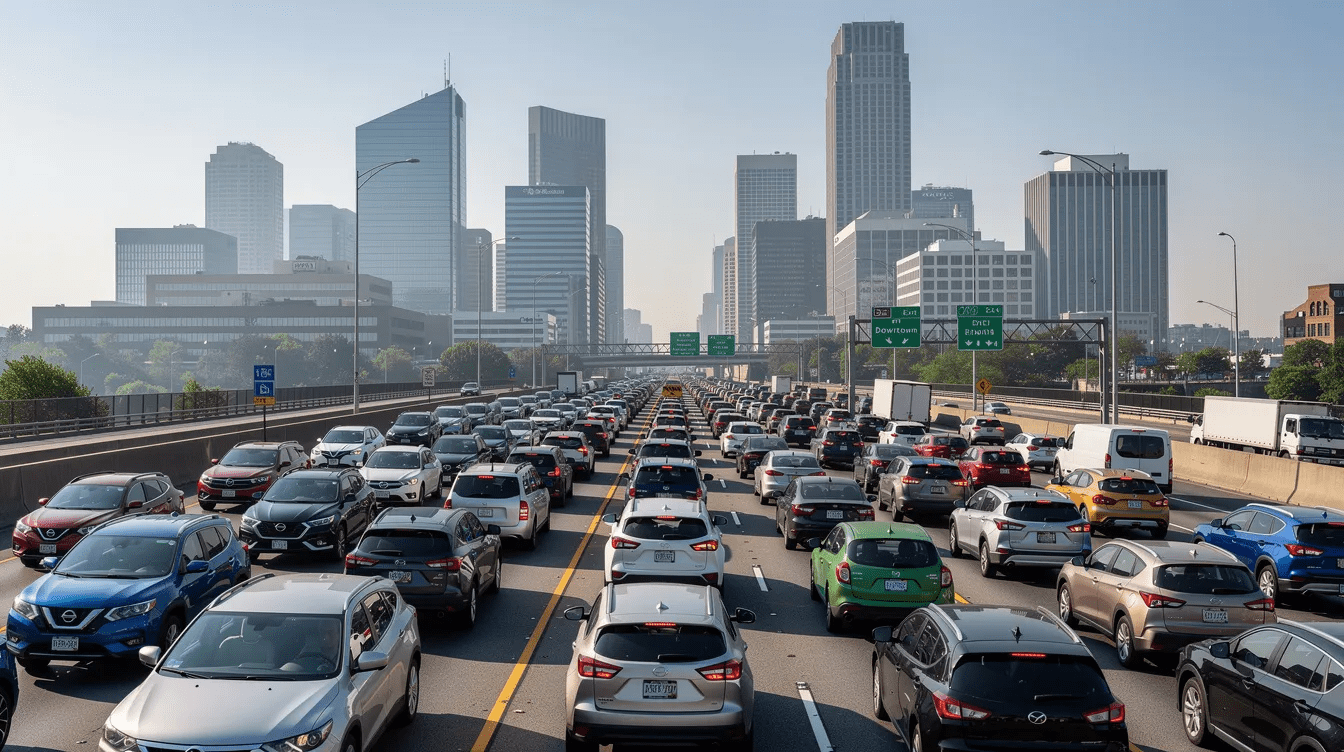
New Orleans traffic patterns, tourism density, and unique infrastructure create specific risks for rideshare accidents. NOPD data from 2024 shows approximately 2,800 injury crashes in Orleans Parish, with rideshare vehicles involved in many.
-
Distracted driving from app use: The driver’s actions while checking the rideshare app or navigation cause approximately 25% of incidents per NHTSA data, especially on unfamiliar one-way streets in the French Quarter and Marigny.
-
Fatigued driving during late nights and festivals: Driver fatigue factors into 18% of late-night crashes. This is particularly common during 24/7 entertainment on Frenchmen Street, Mardi Gras (historically 500+ crashes over Carnival weekend), and Jazz Fest weekends.
-
Speeding and aggressive lane changes: High-speed corridors like I-10 (speed limit 60-70 mph with 20% over-limit violations), Pontchartrain Expressway merges, and the Crescent City Connection see frequent collisions.
-
Failure to yield to pedestrians: Over 300 pedestrian strikes occur annually on Canal Street alone, with additional risks around Jackson Square and near the Caesars Superdome and Smoothie King Center after events when crowds flood crosswalks.
-
Impaired driving: Drunk or drug-impaired driving factors into 30% of nightlife-area crashes. Either the Lyft driver or the other driver may be impaired, particularly leaving Bourbon Street bars and music venues. Dram shop liability under La. R.S. 9:2800.1 may apply if a bar overserved the impaired driver.
-
Common accident types: Rear-end crashes in stop-and-go CBD traffic (40% of incidents), T-bone collisions at intersections like Claiborne & Tulane, and sideswipes near streetcar tracks on St. Charles Avenue.
-
Common injuries: Whiplash and soft tissue injuries (60%), fractures (20%), concussions (15%), and spinal injuries (5%). Many symptoms emerge 24-72 hours after the crash, making same-day medical care essential.
What to Do in the Days and Weeks After a Lyft Crash
What you do after leaving the scene significantly affects your Louisiana personal injury case. Consistent medical treatment and thorough documentation strengthen your claim.
-
Follow all doctor’s orders: Attend every follow-up appointment and continue treatment with local providers like Ochsner orthopedics for fractures or neurologists for head injuries. Gaps in treatment allow insurers to argue your injuries aren’t serious.
-
Keep a pain and recovery journal: Document daily limitations like difficulty walking through the French Quarter, missing hospitality shifts, or inability to care for small children. Physical pain and emotional distress should be recorded.
-
Save all financial documentation: Keep medical bills, prescription receipts, mileage logs for medical visits ($0.67/mile IRS rate), and proof of lost wages or lost income including missed tips and overtime common in New Orleans service jobs.
-
Avoid social media posting: Do not post about the crash, your injuries, or your activities. Approximately 40% of claim denials cite “active lifestyle” posts showing festival attendance or nightlife that insurers use against victims.
-
Report through the Lyft app: If you were a passenger, briefly report the accident through the rideshare app to create an internal record. Keep descriptions factual without assigning blame.
-
Contact Cueria Law Injury Lawyers quickly: Our team can obtain NOPD police reports (available via LexisNexis after 10 days), secure surveillance footage from French Quarter and CBD businesses, and subpoena Lyft’s electronic trip data including speed and braking information.
How Cueria Law Injury Lawyers Help After a New Orleans Lyft Accident
As a New Orleans-based personal injury law firm, Cueria Law Injury Lawyers provides skilled legal representation specifically for rideshare accidents throughout the metro area.
-
Thorough investigation: We review NOPD reports within 48 hours, interview witnesses in transient tourist areas, secure traffic camera and security camera video from nearby hotels and businesses, and analyze Lyft trip logs and phone records.
-
Identify all liable parties: We determine all potentially liable parties including the rideshare driver, other motorists, commercial vehicles, and establishments in potential dram shop scenarios. We map out every available insurance policy to maximize recovery.
-
Contingency fee representation: We work on a contingency fee basis (typically 33-40%), meaning no upfront legal fees. We only get paid if we recover compensation for you. Initial consultations for Lyft accidents are free.
-
Handle all insurer communications: We manage all negotiations with Lyft’s insurance carrier (James River) and any other insurers, protecting clients from lowball settlement offers that typically start at 50% of claim value.
-
Litigation readiness: If insurers refuse to provide fair compensation, we file suit in Orleans Parish Civil District Court or federal court and prepare the case for trial. Cases prepared for trial typically recover 2-3x higher than those settled early.
-
Client communication and coordination: We keep clients updated in clear language throughout the entire process and help coordinate with medical providers so you can focus on your well being while we handle liability issues.

Compensation You May Recover After a Lyft Accident in Louisiana
Actual compensation depends on various factors including fault, injury severity, and available insurance, but Louisiana law allows recovery across several damage categories.
|
Damage Type |
Examples |
|---|---|
|
Economic damages |
ER visits ($2,000-$5,000), hospital stays, surgery, physical therapy courses ($10,000-$50,000), prescriptions, future medical costs for ongoing treatment |
|
Lost earnings |
Hourly wages, salary, gig worker income, missed tips and overtime common in New Orleans hospitality jobs (average $30,000+ annually for servers), reduced earning capacity |
|
Non-economic damages |
Physical pain, emotional distress, loss of enjoyment of life (e.g., missing Mardi Gras or Saints season due to injuries), mental anguish |
|
Property damage |
Damaged phones, luggage, personal items inside the Lyft, rental car costs or alternative transportation while without a vehicle |
|
Punitive damages |
Available in rare cases involving extreme misconduct like DWI with wanton disregard (La. Civ. Code art. 2315.4) |
|
Wrongful death |
Funeral expenses, loss of support, loss of consortium when a rideshare accident results in death |
Cueria Law Injury Lawyers documents all categories of loss using medical records, wage statements, and expert testimony to pursue full compensation for every client.
Deadlines and Louisiana Legal Rules You Need to Know
Louisiana has some of the shortest civil filing deadlines in the country. Understanding these rules is critical to protecting your legal options after a rideshare accident.
-
One-year prescription period: In most Louisiana personal injury cases, including Lyft accidents, you generally have one year from the date of the crash to file a personal injury lawsuit. Miss this deadline and you may lose your right to recover compensation entirely.
-
Property damage deadline: Property damage-only claims also typically have a one-year prescription period under Louisiana law.
-
Comparative fault example: Louisiana’s pure comparative fault system means your compensation is reduced by your percentage of fault. If a jury finds you 20% at fault (perhaps for jaywalking before being struck), a $100,000 award becomes $80,000.
-
Government vehicle or road claims: If your crash involved a government vehicle or occurred on a state-maintained roadway like I-10, special notice requirements may apply, including a 90-day notice to LaDOTD.
-
Don’t wait until the last minute: Evidence disappears, witnesses forget details, and surveillance footage gets deleted. Contact Cueria Law Injury Lawyers early so we can preserve evidence and file on time if needed.
Frequently Asked Questions About Lyft Accidents in New Orleans
Do I need to contact Lyft after the accident, or will my lawyer do it?
Passengers should briefly report the crash through the Lyft Safety Toolkit in the app to create an internal record. Keep your description factual and short without assigning blame or providing detailed narratives.
Once Cueria Law Injury Lawyers is retained, we handle all detailed communications and negotiations with Lyft’s insurance company. We manage requests for trip data, telemetry information, and any settlement discussions.
You should not accept any settlement offer or sign any release from the rideshare company or its insurer before speaking with our firm. Early settlements are typically far below full and fair value.
What if I was a tourist visiting New Orleans when my Lyft crash happened?
Out-of-state visitors must still follow Louisiana’s one-year filing deadline. Louisiana law will usually govern crashes that occur here under the state’s long-arm jurisdiction statutes (La. R.S. 13:3201).
We advise tourists to seek medical care in New Orleans before returning home and to keep copies of all medical records and bills. These documents establish your injuries occurred here and began treatment immediately.
Cueria Law Injury Lawyers can handle your claim remotely via phone, email, and video conferencing. You typically won’t need to return to Louisiana for routine claim steps, though court appearances may require travel if litigation proceeds to trial.
Can I bring a claim if I was not wearing a seat belt in the Lyft?
Failing to wear a seat belt does not automatically bar your claim in Louisiana. However, evidence of seat belt non-use is admissible under La. R.S. 32:295.2, and insurers may argue for reduced compensation based on comparative fault, typically seeking 10-25% reductions.
Liability for causing the crash still focuses on the negligent driver’s actions. If the at fault driver ran a red light or was speeding, they remain primarily responsible regardless of your seat belt use.
Cueria Law Injury Lawyers addresses seat belt issues directly and works to minimize their impact on your final recovery. Many cases involving seat belt questions still result in substantial compensation.
What if the Lyft driver who hit me had an out-of-state license plate?
Many Lyft drivers and other motorists in New Orleans come from neighboring states like Mississippi, Texas, or Alabama. However, car accidents that occur in Louisiana are generally governed by Louisiana law regardless of where the involved vehicles are registered.
Our rideshare accident lawyer team routinely deals with out-of-state insurers and drivers. We can still pursue claims through their policies, though minimum coverage requirements may differ from Louisiana’s 15/30/25 standard.
Cueria Law Injury Lawyers identifies every applicable insurance policy regardless of where the rideshare vehicle is registered, ensuring no coverage goes untapped.
How much does it cost to hire Cueria Law Injury Lawyers for a Lyft case?
We work on a contingency fee basis, meaning you pay no upfront legal help fees. We only get paid if we recover money for you through settlement or verdict, with fees typically ranging from 33-40% of the recovery.
Initial consultations for Lyft accidents in the New Orleans area are completely free and come with no obligation. We’ll review your case, explain your legal options, and help you understand what your claim may be worth.
If you’ve been involved in a Lyft accident anywhere in New Orleans or surrounding parishes, contact Cueria Law Injury Lawyers today. Visit our website or call to schedule your free consultation and let our team fight for your best interests while you focus on recovery.