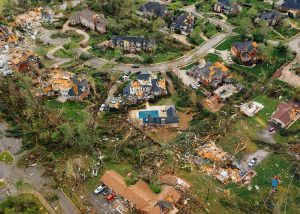



Wind Damage vs. Water Damage Claims in New Orleans
When hurricanes and tropical storms hit New Orleans, property owners often face serious wind and water damage. In the days that follow, confusion about insurance coverage can make recovery even harder.
Because insurance companies treat wind and water damage differently, understanding the distinction matters. As a trusted New Orleans personal injury attorney, Cueria Law Injury Lawyers helps property owners protect their rights and pursue the compensation they deserve after a storm.

Key Differences Between Wind Damage and Water Damage Claims
Although wind and water damage often happen during the same storm, insurance policies handle them separately. For that reason, identifying the cause of damage early can prevent delays and denials.
Wind Damage Claims
High winds from hurricanes and tropical storms often damage roofs, siding, windows, and other structural elements. When wind causes the damage, homeowners typically file a claim under:
- A homeowners insurance policy
- A commercial property insurance policy
Because these policies usually cover wind-related losses, documenting visible wind damage is critical.
Water Damage Claims
Water damage usually occurs when water enters a property from the ground up. For example, storm surge, heavy rainfall, or overflowing rivers can flood a home or business.
In these cases, property owners must rely on flood insurance, most often through the National Flood Insurance Program (NFIP). Standard homeowners policies do not cover this type of damage.
Why Identifying the Cause of Damage Matters
Insurance coverage depends on how the damage occurred. Therefore, determining the source of water or structural failure plays a major role in the claims process.
Damage Caused Directly by Flooding
When storm surge, rising water, or surface flooding enters a property, insurers classify the loss as flood damage. As a result, flood insurance usually applies.
Wind-Driven Rain
However, strong winds sometimes force rain into a building through doors, windows, or damaged siding. In those situations, insurers treat the loss as wind-driven rain—not flooding.
Because flood insurance does not cover wind-driven rain, property owners must file these claims under their homeowners or commercial property policies.
Water Damage Resulting From Wind Damage
Similarly, when wind damages a roof and rain enters through the opening, insurers attribute the water damage to wind. In that case, homeowners should file the claim under their homeowners or commercial property insurance—not flood insurance.

Reporting and Documenting Wind and Water Damage
After a storm, quick and organized action strengthens your claim. By taking the following steps, you can protect both your property and your rights.
Step 1: Contact Your Insurance Company Immediately
First, contact your insurance agent or insurer as soon as you discover damage. Provide:
- Your policy number
- Your contact information
- A brief description of the damage
Prompt reporting helps move the claim forward faster.
Step 2: Separate and Document Damaged Property
Next, separate damaged items from undamaged ones. Take clear photos and videos of everything affected. Before throwing anything away, document it thoroughly.
Step 3: Protect Undamaged Property
Meanwhile, take reasonable steps to prevent further damage. Cover openings, remove standing water, and secure the property when possible. However, avoid signing repair or remediation contracts until your insurer confirms coverage.
Step 4: Prevent Mold Growth
After flooding, mold can spread quickly. Because insurance policies require mitigation, homeowners must act promptly to reduce moisture and prevent mold. Failure to do so may reduce coverage.
Step 5: Record Structural Damage
Then, photograph and video all visible damage inside and outside the property. At the same time, create a written list of structural issues to review with the insurance adjuster.
Step 6: Inventory Damaged Personal Property
If you carry contents coverage, prepare a detailed inventory of damaged items. Include:
- Quantity
- Description
- Brand name
- Location in the property
- Estimated value
Accurate inventories speed up the claims process.
Working With Insurance Adjusters
Step 1: Schedule the Inspection
After you file your claim, the insurance company assigns an adjuster. The adjuster will schedule an inspection and document the damage. In some cases, insurers may offer remote inspections or advance payments.
Step 2: Prepare for Additional Visits
Depending on the scope of damage, adjusters may request follow-up inspections. Throughout this process, keep copies of all emails, letters, and estimates.
Step 3: Review the Damage Estimate Carefully
Finally, the adjuster prepares a detailed estimate. Review it closely and compare it to contractor repair bids. If discrepancies appear, you may need to challenge the estimate.
Watch Out for Scammers After Storms
Unfortunately, scammers often target storm victims. Remember, legitimate adjusters will never ask for:
- Social Security numbers
- Bank account information
If someone pressures you to act quickly or share personal information, pause and verify their identity.
Additional Support for Flood Claims
For flood insurance assistance, property owners may also contact FEMA’s Mapping and Insurance eXchange (FMIX):
- FEMA-FMIX@fema.dhs.gov
- 877-336-2627
Choosing the Right New Orleans Personal Injury Attorney
Storm-related insurance claims often involve disputes over coverage, causation, and valuation. That’s why experienced legal guidance matters.
As a New Orleans personal injury attorney and New Orleans hurricane attorney, Cueria Law Injury Lawyers helps clients:
- Identify the correct insurance coverage
- Challenge denied or underpaid claims
- Navigate complex insurer disputes
Get Help With Your Wind or Water Damage Claim
If a storm damaged your home or business, you don’t have to handle the claims process alone. Cueria Law Injury Lawyers stands ready to protect your rights and help you recover fair compensation.
Contact our team today to discuss your wind or water damage claim and take the next step toward recovery.