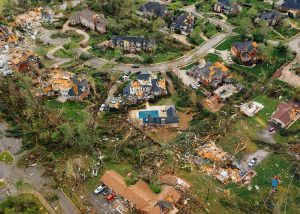



Hurricanes and Property Damage in New Orleans
Hurricanes and tropical storms can cause widespread and devastating damage to homes and businesses. History offers a sobering reminder of their power. The 1900 Galveston hurricane, the deadliest hurricane in U.S. history, claimed thousands of lives and forever changed coastal storm preparedness.
In New Orleans and throughout the Gulf Coast, residents know these storms all too well. Hurricanes bring intense wind speeds, heavy rain, storm surge, downed power lines, and flying debris. As a result, entire neighborhoods can suffer significant damage in just a matter of hours.
Because of its geographic location, New Orleans remains especially vulnerable to hurricane damage. Past storms, such as Hurricane Ivan and Hurricane Katrina, demonstrate how hurricanes can cause everything from coastal erosion to long-term environmental and property loss.
At Cueria Law Injury Lawyers, we understand how overwhelming the aftermath of a hurricane can feel. Below, we explain the most common types of hurricane property damage and what to do if your home or business is affected.

The 10 Most Common Types of Hurricane Damage
Introduction to Hurricane Hazards
Hurricanes rank among the most destructive natural disasters. When a storm approaches, it brings a dangerous mix of storm surge, heavy rainfall, and hurricane-force winds.
Most notably, storm surge remains one of the leading causes of hurricane-related deaths. Meanwhile, inland flooding can devastate areas far from the coast. In addition, hurricanes may spawn tornadoes and cause widespread power failures. Understanding these risks helps property owners prepare and respond more effectively.
#1 Flooding
Flooding is the most common form of hurricane damage in New Orleans. Heavy rainfall—often exceeding 10 inches in a short time—overwhelms drainage systems and causes rivers and canals to overflow.
As a result, floodwaters can destroy homes, damage foundations, and lead to long-term mold and mildew problems. Recovery from flood damage often takes months or even years.
#2 Wind Damage
Hurricane-force winds frequently damage roofs, windows, siding, and exterior walls. Once wind breaches a structure, water intrusion becomes much more likely.
In addition, fallen trees and debris can block roads, delay emergency response, and contribute to extended power outages.
#3 Storm Surge
Storm surge occurs when strong winds push seawater inland, raising sea levels rapidly. This can flood coastal and low-lying areas within minutes.
Furthermore, storm surge causes beach erosion and damages roads, seawalls, and coastal buildings. Homes near the coast face a particularly high risk of being washed away or severely damaged.
#4 Tornadoes
Hurricanes and tropical storms can produce tornadoes with wind speeds reaching up to 200 miles per hour.
Although smaller than traditional tornadoes, they can still rip roofs from homes, uproot trees, and cause severe structural damage.
#5 Power Outages
High winds and flooding often destroy power lines and electrical infrastructure. Without electricity, flood mitigation efforts become more difficult.
Moreover, power outages can make homes uninhabitable, spoil food, disrupt medical care, and prevent communication with emergency services.
#6 Tree Damage
Strong, sustained winds can snap branches or uproot entire trees. As a result, fallen trees frequently damage homes, vehicles, and utility lines.
Additionally, blocked roads can slow rescue and recovery efforts when time matters most.
#7 Sewer and Water Damage
Heavy rain and storm surge can overwhelm sewer and water systems, leading to backups and contaminated water.
This type of damage creates serious health hazards and often results in extensive cleanup and mold remediation. Always avoid walking or driving through moving floodwaters, which can be extremely dangerous.
#8 Coastal Erosion
Storm surge and powerful waves can wash away sand dunes, beaches, and coastal barriers. Over time, this erosion undermines homes and infrastructure near the shoreline.
In addition, hurricanes often create dangerous rip currents that threaten beachgoers during and after the storm.
#9 Landslides
In areas with elevated terrain, saturated soil from heavy rain can trigger landslides. These events can destroy homes, block roads, and damage utilities.
Consequently, emergency access may become limited when it is needed most.
#10 Debris Damage
Hurricanes scatter debris across neighborhoods, including roofing materials, tree limbs, and unsecured objects.
This debris can damage property, injure residents, and create ongoing safety risks during cleanup.
Economic Impact of Hurricane Damage
The financial toll of hurricanes can reach billions of dollars. For example, Hurricane Katrina demonstrated how flood damage, wind damage, and storm surge can cripple local economies.
Beyond immediate repairs, communities face long-term costs related to rebuilding, business interruption, and disaster recovery. Therefore, early action and proper documentation remain critical.

Community Preparation and Response
Effective preparation saves lives and reduces damage. Local officials issue evacuation orders, open shelters, and provide real-time updates.
Meanwhile, residents should maintain emergency plans, secure property, and monitor weather alerts. Technology, such as storm-tracking apps, also plays a key role in preparedness.
What to Do If You Have Hurricane Damage
If a hurricane damages your property, act quickly to prevent further loss. Document all damage with photos and videos as soon as it is safe to do so.
Because insurance claims can become complicated, especially after major storms, speaking with a qualified personal injury lawyer can help protect your rights and financial recovery.
At Cueria Law Injury Lawyers, we help property owners understand their legal options and pursue the compensation they deserve. Contact us today to schedule a free consultation and get guidance during this challenging time.